The Shift Away from Conventional Synthetics in Apparel Production
Synthetic fibers remain central to apparel production because they deliver consistent performance, scalable supply, and compatibility with established textile processes. However, brands are now examining bio-based synthetic fibers as a way to reduce dependence on fossil feedstocks without giving up the processing advantages associated with conventional polymers.
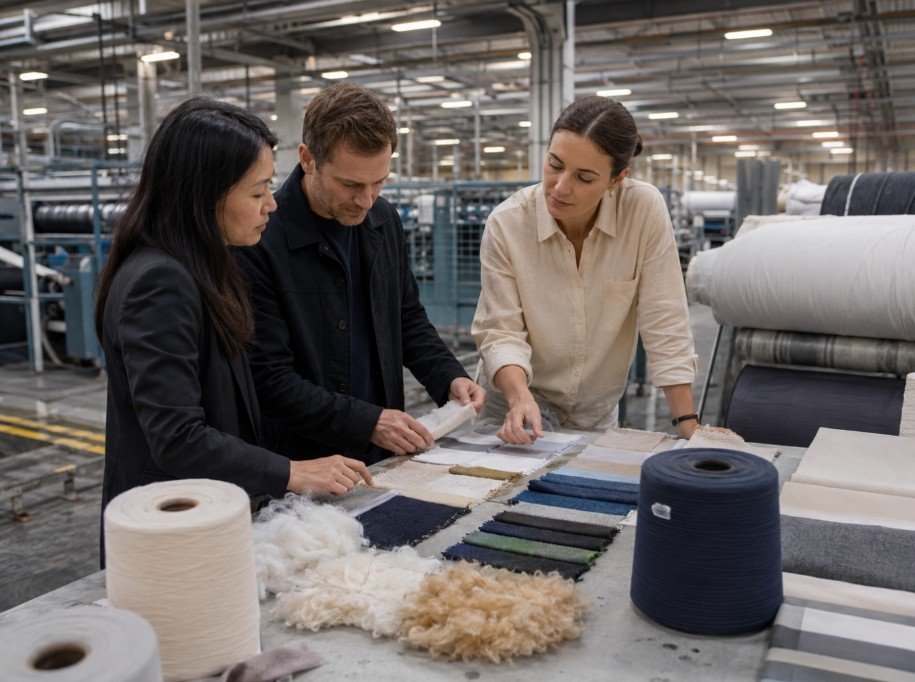
The shift is being driven by several overlapping pressures. Sourcing teams need better material traceability, regulators are demanding more reliable product information, and brands are expected to support environmental claims with documented evidence rather than broad sustainability language.
For textile professionals, the practical question is not whether every petroleum-derived synthetic can be replaced. It is the question of which alternatives can meet commercial requirements for volume, price, processing compatibility, performance, and verification.
Why Bio-Based Synthetic Fibers Are Entering Sourcing Plans
How EU Policy Is Changing Material Documentation
The EU Green Deal and related measures are moving textile sustainability from voluntary commitments toward more structured product and supply chain requirements. The Ecodesign for Sustainable Products Regulation provides a framework through which product-specific rules may address durability, resource efficiency, recyclability, and the information supplied with products.
Not every textile requirement applies immediately or in the same way. Detailed obligations depend on subsequent product rules, implementation schedules, company size, market activity, and the type of environmental claim being made. For sourcing teams, however, the direction is already clear: material information must become more consistent, traceable, and capable of being verified.
This does not mean conventional synthetic fibers lack documentation. Petroleum-derived, recycled, and bio-based polymers can all carry technical data, chemical compliance records, life cycle studies, and chain-of-custody information. The relevant distinction is whether a supplier can provide documentation that supports the specific composition and environmental claims a brand intends to make.
Why Compliance Deadlines Are Pushing Procurement Teams to Act Now
Material transitions operate on a different timeline from regulatory implementation. A new fiber may need to pass spinning, knitting or weaving, dyeing, finishing, garment testing, wash testing, and commercial costing before it can be approved for a product range.
These activities usually extend across several development and production cycles. As a result, sourcing teams often begin evaluating alternative materials before detailed legal requirements take effect. Early trials allow brands to identify suitable mills, compare documentation, test performance, and understand cost differences without committing an entire product range to an unproven supply chain.
Market Expectations Are Increasing Scrutiny of Material Claims
How Purchasing Behavior Is Shifting — And Where Brands Feel It
Consumer interest in lower-impact products has encouraged apparel brands to communicate more information about fiber origin, recycled content, renewable inputs, and manufacturing impact. At the same time, loosely defined sustainability claims are attracting greater scrutiny from consumers, regulators, retailers, and industry groups.
This creates a practical constraint for sourcing teams. A material substitution must offer a claim that can be explained and documented, but it must also remain commercially acceptable. Most product categories cannot absorb a large cost increase based only on a change in feedstock. Bio-based synthetic fibers therefore need to approach conventional materials in performance, processing efficiency, availability, and total production cost.
The Gap Between Stated Sustainability Goals and Actual Material Choices
A 2024 Changing Markets Foundation report found that many large fashion companies remained highly dependent on synthetic fibers despite publishing sustainability commitments. The report also identified only a limited number of brands with specific targets addressing the reduction or phase-out of virgin synthetics.
The gap between policy and purchasing reflects more than brand intent. Large-scale substitution requires a stable fiber supply, qualified mills, repeatable dyeing and finishing results, acceptable garment performance, and prices that fit existing product categories.
Brands are therefore more likely to begin with selected applications than with an immediate portfolio-wide replacement. A sourcing team may first qualify an alternative in stretch garments, insulation, linings, or blended fabrics, then expand its use after performance and supply consistency have been demonstrated.
Why Not All ‘Green’ Fiber Alternatives Are Production-Ready
The Scalability Problem with Next-Gen Biomaterials
Sustainable material coverage often focuses on emerging options such as seaweed-derived fibers, mycelium-based materials, and bacterial cellulose. These developments may offer useful long-term pathways, but their commercial readiness varies considerably.
Many next-generation biomaterials remain constrained by limited capacity, inconsistent specifications, higher prices, or the need for changes in existing manufacturing processes. Some are already suitable for selected products or limited collections, while others still require further development before they can support repeatable high-volume apparel production.
Sourcing teams should therefore distinguish technical novelty from production readiness. A material intended for mainstream use must be available in predictable quantities, meet defined specifications, work with qualified manufacturing partners, and maintain consistent performance across production batches.
What Commercial-Scale Bio-Based Synthetics Actually Look Like in Practice
A more immediately actionable category includes partially bio-based synthetic polymers that replace part of their fossil-derived feedstock with renewable inputs while retaining compatibility with established textile processes.
Sorona bio-based fiber is a commercial example based on polytrimethylene terephthalate, or PTT. Approximately 37% of the polymer by weight comes from annually renewable plant-based ingredients. Commercialized since 2000, the material is used in applications such as stretch textiles, insulation, carpet, and blended apparel fabrics.
Its main sourcing advantage is process compatibility. The fiber can be handled through established spinning, fabric formation, dyeing, and finishing systems, although mills must still validate the exact yarn, blend, construction, color, and finishing route. The Sorona Common Thread certification program also provides a framework for verifying qualifying fabric content and performance.
This gives partially bio-based PTT a different risk profile from many early-stage materials. The supply chain and processing knowledge already exist, so the evaluation can focus on application suitability, environmental data, documentation, price, and minimum order requirements rather than on whether the polymer can be processed at all.
How to Evaluate Bio-Based Synthetic Fibers for Production
Performance Parity — Does the Fiber Work in Existing Production Lines?
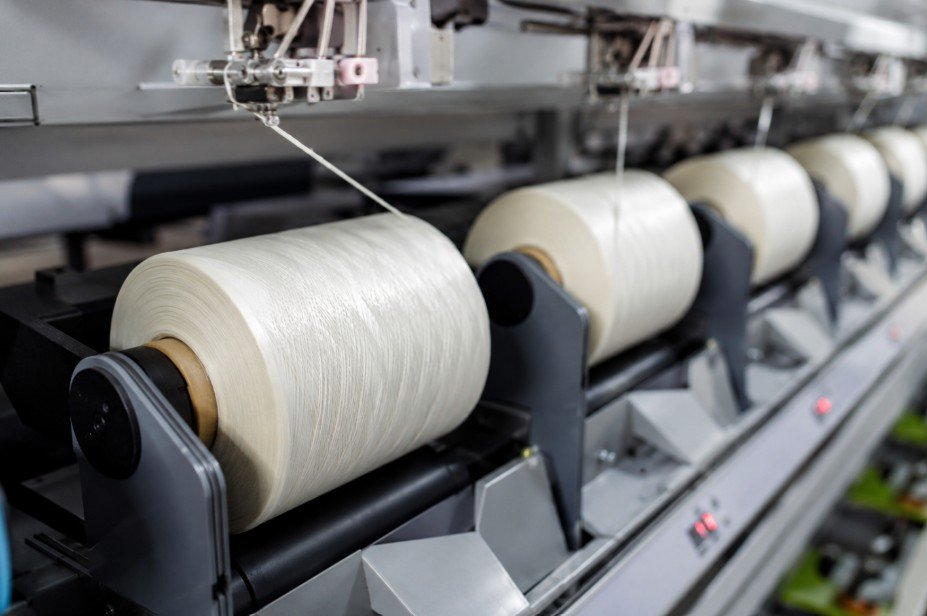
The first evaluation is technical compatibility. Sourcing teams need to determine whether the fiber can run through existing mill processes without major equipment changes and whether it meets the performance requirements of the intended product.
For activewear, relevant criteria may include stretch recovery, moisture transport, dimensional stability, colorfastness, and repeated-wash durability. Workwear and outerwear may place greater emphasis on abrasion resistance, shape retention, thermal performance, or compatibility with coatings and functional finishes.
Regenerated cellulosic fibers such as lyocell and modal are bio-derived alternatives, but they are not synthetic fibers. They should be assessed as a separate material category because their moisture behavior, strength characteristics, finishing requirements, and end uses differ from those of synthetic polymers. Partially bio-based PTT and similar polymers remain within the synthetic category and are generally designed to preserve more of the processing behavior associated with conventional synthetics.
Early-stage evaluation should include physical samples and small production trials. Smaller design teams may initially buy fabric by the yard to compare hand feel, stretch recovery, drape, sewing behavior, and wash response before requesting a mill-scale trial. Retail samples are useful for screening, but they do not replace bulk-lot testing or production documentation.
Final approval should be based on trials using the intended yarn specification, fabric construction, dye process, finish, and garment design. Certificates and supplier marketing materials are useful starting points, but they cannot replace application-specific testing.
Certification and Traceability: Moving from Claims to Verifiable Supply Chain Data
The second evaluation is whether the documentation matches the claim being made. Chemical safety, recycled content, bio-based content, and environmental footprint are separate issues and should not be treated as interchangeable certifications.
Chemical compliance documentation should address the regulations and restricted-substance requirements relevant to the destination market and buyer. Voluntary programs such as OEKO-TEX STANDARD 100 may provide additional evidence that a tested textile has been screened for specified harmful substances, but the certification is not a universal legal requirement for selling textiles in Europe.
GRS and RCS apply to recycled content and chain-of-custody claims. They should not be presented as proof that a polymer is bio-based. Bio-based carbon content can be measured using ASTM D6866 or ISO 16620-2, while bio-based synthetic polymer content or bio-based mass content requires the relevant method within the ISO 16620 series. Proprietary fibers may also have their own ingredient, fabric, or performance verification programs.
Before approving a material, sourcing teams should ask the following:
- How is the claimed bio-based percentage measured?
- Does the percentage refer to the complete fiber by weight or only one chemical component?
- Which party issues and verifies the documentation?
- Can the fiber be traced through yarn, fabric, dyeing, and garment production?
- Is environmental footprint data based on an independently reviewed life cycle assessment?
- Does the certification apply to the raw polymer, finished fiber, fabric, or final garment?
Documentation should be evaluated at the same time as technical performance. A fiber may perform well in production but still create risk if its composition, origin, or environmental claims cannot be supported at the finished-product level.
Bio-based synthetic fibers will not replace conventional synthetics across every apparel category in the near term. Their more realistic role is to reduce fossil feedstock use in applications where renewable inputs can be introduced without sacrificing processing compatibility, performance, or commercial scale.
The strongest sourcing decisions will come from treating material substitution as a technical qualification process. Brands and mills need to test the complete fabric system, verify the exact composition claim, review supply continuity, and confirm that supporting documentation follows the material through production.
Regulation and market scrutiny are strengthening the long-term case for better material data. However, commercial adoption will depend on whether each fiber can deliver measurable improvement while meeting the practical requirements of textile manufacturing.