
Calculate weft yarn length and weight with this Weft Yarn Requirement Calculator. Enter fabric size, picks, and yarn count in Ne, Tex, Denier, or Nm. Free, fast, with wastage and crimp.
What is a Weft Yarn Requirement Calculator?
A weft yarn requirement calculator estimates how much filling yarn a fabric order needs. You enter the fabric size, pick density, and yarn count. The tool returns yarn length and weight.
Weft yarn runs across the fabric width. It interlaces with the warp yarns that run along the length. Every pick, or single weft insertion, uses a piece of yarn as long as the fabric width plus crimp.
Planners, merchandisers, and weavers use this number daily. It helps them buy the right yarn quantity before production starts. Buy too little and the loom stops. Buy too much and money sits idle in stock.
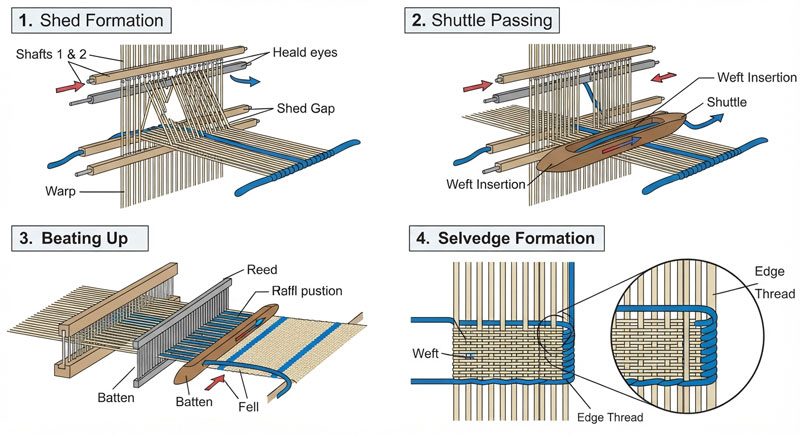
This calculator supports international units. You can use meters, yards, inches, or centimeters. It also accepts Ne, Tex, Denier, and Nm yarn counts. So buyers and mills in different countries can work from one tool.
The Formula Behind Weft Yarn Estimation
The math is simple. Each step builds on the last one.
Core Steps
- Total picks = fabric length × picks per unit length × pieces.
- Weft length per pick = fabric width × (1 + crimp %).
- Net weft length = total picks × weft length per pick.
- Gross weft length = net length × (1 + wastage %).
- Weight (kg) = gross length (m) × Tex ÷ 1,000,000.
Count Conversion
The tool converts every count to Tex first. Tex is the grams of yarn in 1,000 meters.
Conversions Used
- Tex from Ne = 590.54 ÷ Ne.
- Tex from Denier = Denier ÷ 9.
- Tex from Nm = 1000 ÷ Nm.
How to Use the Weft Yarn Calculator (Step-by-Step)
You can finish the form in under a minute. Follow these steps.
- Enter the fabric length and pick a unit.
- Enter the fabric width and pick a unit.
- Add the number of pieces you plan to weave.
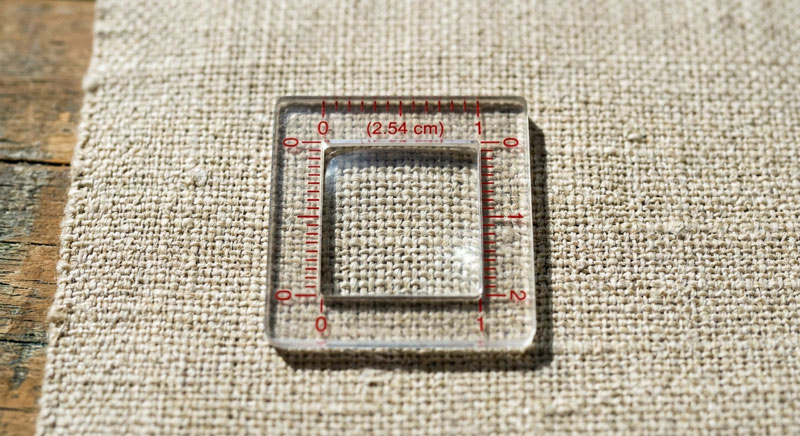
- Enter picks per inch or per centimeter.
- Enter the weft yarn count and choose its system.
- Set the weft crimp and wastage percentages.
- Choose the weight unit you prefer.
- Press Calculate and read your results.
Use Copy Result to save the numbers. Use Share Result to send them to a colleague or buyer. Press Reset to start again with the default values.
Key Factors Influencing Weft Yarn Consumption
Several things change how much yarn a fabric uses. Know them well and your estimate gets closer to real life.
Fabric Width and Picks
A wider fabric needs more yarn in every pick. A higher pick count adds more picks per meter. Both raise consumption directly.
Yarn Count
Coarser yarn weighs more per meter. Finer yarn weighs less. Two fabrics with the same length can need very different weights.
Weft Crimp
Weft yarn bends as it passes over and under warp yarns. That bending uses extra length. Tight, dense fabrics usually show higher crimp.
Weave Structure
Plain weave interlaces often and crimps more. Satin has long floats and crimps less. Twill sits in between.
Wastage
Selvedge waste, cone ends, loom start-up, and rejects all take yarn. Add a sensible wastage percentage to cover them.
Benefits of Accurate Yarn Forecasting in Textile Production
Good forecasting protects both budget and schedule. Here is what you gain.
- Lower cost: You avoid over-buying and dead stock.
- Fewer stoppages: The loom keeps running because yarn arrives on time.
- Better quotes: Buyers get firm, reliable prices.
- Less waste: Exact planning means fewer leftover cones.
- Faster decisions: You can compare counts and densities in seconds.
Accurate numbers also build trust. Suppliers, mills, and buyers all work from the same figures. That reduces disputes and delays.
Treat the result as a strong estimate. Real production varies with machine settings, yarn quality, and operator skill. Compare the output with your actual consumption and adjust your crimp and wastage values over time.
Frequently Asked Questions
What is the difference between warp and weft yarn requirements?
Warp yarn runs along the fabric length. Weft yarn runs across the width. Warp need depends on ends per inch and reed width. Weft need depends on picks per inch and fabric width.
How much wastage percentage should I add to my calculation?
Most mills add 3% to 7%. Use the lower end for simple, stable weaves. Use the higher end for fine yarns, short runs, or complex designs.
Can I use this calculator for different yarn numbering systems (Tex, Denier, Cotton Count)?
Yes. Choose Ne, Tex, Denier, or Nm from the dropdown. The tool converts your count to Tex before it works out the weight.
Why does my actual yarn usage differ slightly from the calculator’s estimate?
Real crimp, yarn tension, moisture, and machine waste vary. Fabric also shrinks after finishing. Adjust the crimp and wastage inputs to match your own mill data.
How does the weave structure (e.g., plain, twill, satin) affect weft yarn consumption?
Plain weave has the most interlacing, so it uses more weft per pick. Twill uses less. Satin uses the least because of its long floats. Adjust the crimp percentage to reflect this.
You also like Warp Yarn Requirement Calculator