Sports Shoe Size Calculator: Easy and Accurate
How to Use Our Sports Shoe Size Calculator
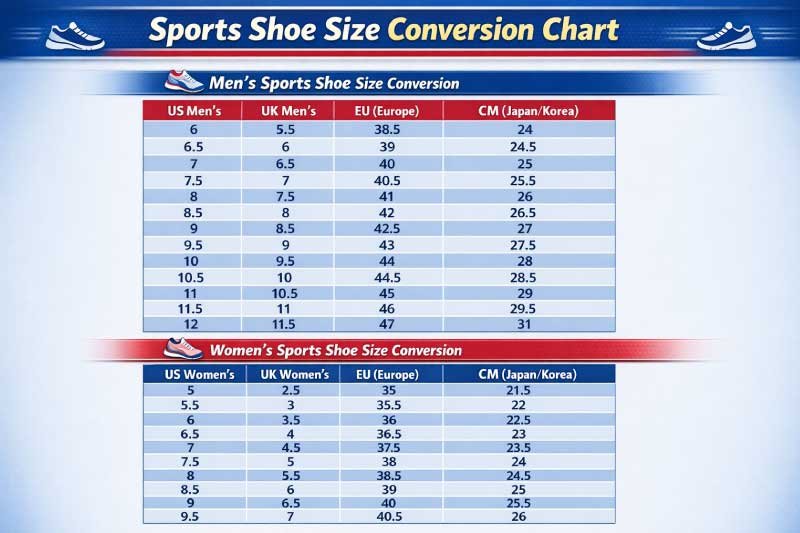
Finding your perfect sports shoe size has never been easier. Our calculator provides instant conversions across all major sizing systems. Simply select your gender from the dropdown menu. This matters because men’s, women’s, and youth sizing scales differ significantly.
Next, choose your measurement unit. Whether you know your US, UK, EU size, or have measured your foot in centimeters or inches, we’ve got you covered. Enter your current size or measurement in the input field. Hit the calculate button and watch as our tool generates accurate conversions across all international sizing standards.
The results display instantly below. You’ll see your size in US, UK, EU formats, plus the exact foot length measurements. This eliminates guesswork when shopping from international brands or online retailers.
Factors Affecting Your Shoes’ Lifespan
Understanding what impacts your sports shoes’ durability helps you make smarter purchasing decisions. The material quality plays a crucial role. Premium leather lasts longer than synthetic fabrics, though modern synthetics have improved dramatically.
Your activity level matters immensely. Running 50 miles weekly wears shoes faster than casual gym sessions. The terrain also counts. Trail running destroys shoes quicker than treadmill workouts. Concrete and asphalt are particularly harsh on shoe materials.
Storage conditions affect longevity too. Keeping shoes in hot cars or damp basements breaks down adhesives and materials. Your foot mechanics influence wear patterns. Overpronation or supination creates uneven deterioration. Body weight impacts compression of midsole foam.
Proper fit extends shoe life. Too-tight shoes stress seams and materials. Too-loose shoes cause excessive friction and premature breakdown. Regular cleaning prevents material degradation from dirt and sweat buildup.
Choosing the Right Sports Shoe
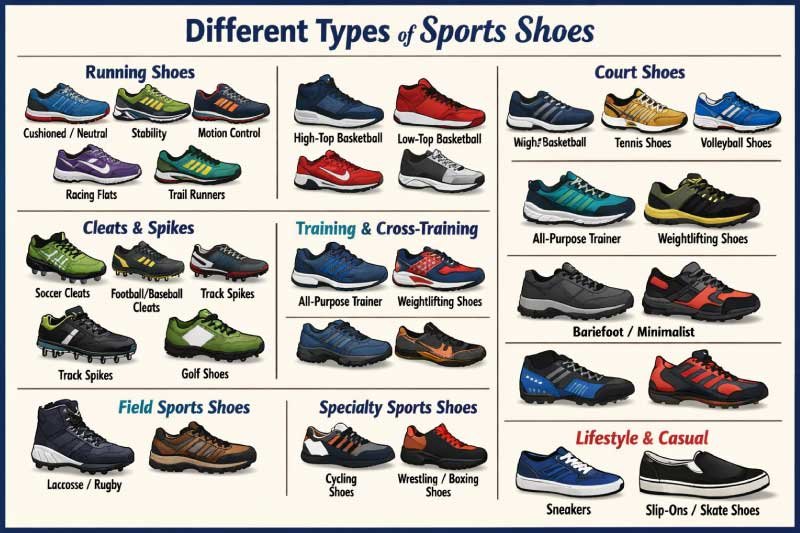
Selecting appropriate sports shoes goes beyond just finding your size. Each sport demands specific features and support systems. Running shoes need cushioning and flexibility. Basketball shoes require ankle support and lateral stability.
Consider your foot type when shopping. High arches need different support than flat feet. Motion control shoes suit overpronators, while neutral shoes work for supinators. Visit a specialty store for gait analysis if you’re serious about performance.
Match Shoes to Your Activity
Cross-training shoes offer versatility for gym workouts but lack specialization. Tennis shoes provide lateral support for quick direction changes. Soccer cleats give traction on grass or turf surfaces. Walking shoes emphasize comfort and flexibility over performance features.
Don’t use running shoes for weightlifting. The cushioned sole creates instability during heavy lifts. Conversely, don’t lift in flat minimalist shoes then run marathons. Each activity deserves purpose-built footwear.
Key Features to Consider
Breathability keeps feet cool during intense workouts. Mesh uppers allow airflow better than solid materials. Water resistance matters for outdoor activities in wet conditions. Weight affects performance in competitive settings. Lighter shoes reduce energy expenditure over long distances.
Traction patterns vary by surface type. Deep lugs work on trails. Flat rubber suits indoor courts. Heel-to-toe drop influences running biomechanics. Zero-drop shoes encourage forefoot striking. Traditional shoes with 10-12mm drops suit heel strikers better.
Tips to Improve Your Sports Shoe Life
Smart maintenance extends your investment significantly. Rotate between two pairs if you exercise frequently. This allows midsole foam to decompress fully between sessions. Never put sports shoes in washing machines or dryers. Hand wash with mild soap and air dry naturally.
Remove insoles after workouts to speed drying. Stuff shoes with newspaper to absorb moisture and maintain shape. Unlace completely when removing shoes. This preserves the heel counter integrity. Store in cool, dry places away from direct sunlight.
Breaking In New Shoes Properly
Wear new shoes for short periods initially. Gradually increase duration over two weeks. This prevents blisters and allows materials to mold to your feet. Walk in them before running to identify potential pressure points.
Apply moleskin or bandages to known hotspots preemptively. Some discomfort is normal initially, but sharp pain indicates poor fit. Return shoes that cause persistent problems within the trial period.
When Training Gets Intense
High-mileage athletes need fresh shoes more frequently. Track your mileage using apps or journals. Replace running shoes every 300-500 miles depending on factors we discussed earlier. Basketball and tennis shoes last around 45-60 hours of play.
Don’t wait until shoes completely fall apart. Performance degrades before visible damage appears. Reduced cushioning increases injury risk. Worn tread patterns compromise traction and safety.
When to Replace Your Sports Shoe
Knowing replacement timing prevents injuries and maintains performance. Check midsole compression by pressing firmly. If foam doesn’t bounce back, cushioning is shot. Examine outsole tread depth. Smooth areas indicate it’s time for new shoes.
Look for upper deterioration like torn mesh or separated seams. These can’t be repaired effectively. Heel counter breakdown shows as a floppy, unsupportive feel. Uneven wear patterns suggest biomechanical issues needing professional assessment.
Listen to your body. New aches and pains after workouts often signal shoe breakdown. Your knees, hips, and back suffer when shoes lose shock absorption. Don’t ignore these warning signs.
Consider seasonal replacement even with low mileage. Materials degrade over time from oxidation and UV exposure. Shoes older than 12 months lose performance regardless of use. Elite athletes replace shoes every few months. Recreational users typically need new pairs yearly.
Keep backup shoes for different conditions. Wet-weather shoes protect your primary pair. Indoor and outdoor versions preserve specialized features. This rotation system maximizes both longevity and performance across all your training environments.
Frequently Asked Questions
You also like Running Shoe Lifespan Calculator