Running Shoe Lifespan Calculator: Easy and Accurate
What Affects Your Shoes’ Lifespan?
Running shoes don’t last forever. Several factors determine how long your shoes will serve you well. Understanding these factors helps you get the most value from your investment.
Your running distance is the primary factor. More miles mean faster wear. A runner covering 30 miles weekly will replace shoes sooner than someone running 10 miles.
Terrain matters significantly. Trail running accelerates wear due to rocks, roots, and uneven surfaces. Road running is gentler on shoes. Track running falls somewhere in between.
Your body weight affects compression. Heavier runners compress midsole foam faster. This reduces cushioning and support over time. Lighter runners typically get more miles from their shoes.
Running style impacts wear patterns. Heel strikers wear down the heel area quickly. Forefoot strikers see faster wear in the front. Neutral runners experience more even wear across the shoe.
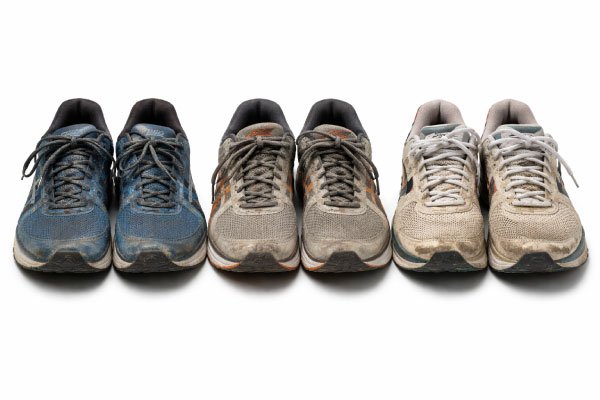
Shoe quality plays a crucial role. Premium shoes use better materials and construction. They typically last 500-600 miles. Budget shoes might only manage 300-400 miles.
How to Use Our Running Shoe Lifespan Calculator
Our calculator takes the guesswork out of shoe replacement. Simply enter your running habits and get personalized recommendations.
Start by entering your weekly running distance. Be honest about your average mileage. Include all runs, whether long or short. The calculator works with both miles and kilometers for your convenience.
Select your primary running terrain. Choose the surface you run on most often. Mixed terrain is common for runners who vary their routes. This choice significantly affects your results.
Input your current weight. This isn’t about judgment. It’s a mechanical factor in shoe compression. Heavier runners simply compress foam faster. Use pounds or kilograms based on your preference.
Identify your running style. Most runners are heel strikers. If you’re unsure, ask a running store or film yourself running. Your strike pattern influences wear location and speed.
Choose your shoe quality level. Premium shoes cost more but last longer. Budget shoes are affordable but wear faster. Be realistic about your current footwear investment.
Choosing the Right Running Shoe
Selecting appropriate running shoes extends their lifespan. The right fit and type make a substantial difference.
Visit a specialty running store for gait analysis. Staff can observe your running form and recommend appropriate shoes. This professional insight prevents costly mistakes.
Consider your foot type. High arches need cushioning. Flat feet require stability features. Neutral feet have more options available. Matching shoe to foot type improves comfort and durability.
Don’t sacrifice fit for style. Shoes should feel comfortable immediately. There’s no break-in period for quality running shoes. If they’re uncomfortable in the store, they won’t improve later.

Replace both shoes in a pair simultaneously. Even if one looks better, both have similar wear. Uneven replacement can cause imbalanced support and potential injury.
Tips to Improve Your Running Shoe Life
Proper care extends shoe lifespan significantly. These simple habits protect your investment.
Rotate between two pairs. Alternating shoes allows foam to decompress between runs. This simple practice can extend total lifespan by 30-40%. Buy your second pair when the first reaches halfway.
Air dry your shoes after every run. Remove insoles and loosen laces. Never put running shoes in the dryer. Heat damages foam and adhesives. Stuff with newspaper to absorb moisture faster.
Store shoes properly. Keep them in a cool, dry place away from direct sunlight. UV rays degrade materials over time. Avoid leaving them in hot cars or damp basements.
Use shoes only for running. Walking around in running shoes compresses foam unnecessarily. The constant pressure reduces cushioning effectiveness. Keep a separate pair for everyday wear.
Clean shoes regularly but gently. Remove dirt with a soft brush and mild soap. Don’t submerge in water or use harsh chemicals. Clean shoes not only look better but also last longer.
Track your mileage. Use a running app or simple log. Knowing exact mileage removes guesswork about replacement timing. Most runners underestimate how far they’ve run.
When to Replace Your Running Shoes
Knowing when to retire shoes prevents injury and maintains performance. Watch for these clear signals.
Midsole compression is the most critical indicator. Press the midsole with your thumb. If it doesn’t spring back quickly, cushioning is gone. This happens before visible wear appears.
Outsole wear reveals replacement needs. Smooth areas indicate lost traction. Holes in the rubber are obvious signs. Uneven wear suggests gait issues worth addressing.
Upper deterioration affects support. Check for torn mesh, separated seams, or broken eyelets. Damaged uppers can’t hold your foot properly. This increases injury risk significantly.
Pain or discomfort signals worn shoes. New aches in knees, hips, or shins often indicate inadequate cushioning. If pain started recently, check your shoe mileage first.
Most running shoes last 300-500 miles. Premium models reach 600 miles. Budget shoes might wear out at 300 miles. Track your mileage and replace accordingly.
Listen to your body. Experienced runners often feel when shoes are done. Trust your instincts combined with objective wear indicators. Early replacement beats injury recovery every time.
FAQs about Running Shoe Lifespan Calculator
You also like Wedding Dress Size Calculator